
Platform
Explore the methodologies utilized by Orbogen Bio to engineer microbes, cells, and proteins for application across various sectors within the biotechnological industries.
The essential principle centers on the establishment of extensive and highly diverse libraries of the target—whether a cell or a protein—followed by an analysis of the individual clones within the library using ultra-high throughput techniques. We then select individual clones with specific phenotypic properties or accumulate pools of clones for further characterization. The data collected is subsequently employed to inform the design strategy for the potential future rounds of engineering and analysis.
Library Generation
Orbogen Bio possesses extensive expertise in the generation of large and diverse libraries for bacteria, yeast, and filamentous fungi. The methods employed include synthetic biology, combinatorial design, and random design through UV or chemical mutagenesis; the latter two approaches are classified as non-GMO methods and are specifically utilized for applications sensitive to consumer preferences.

High Throughput Screening
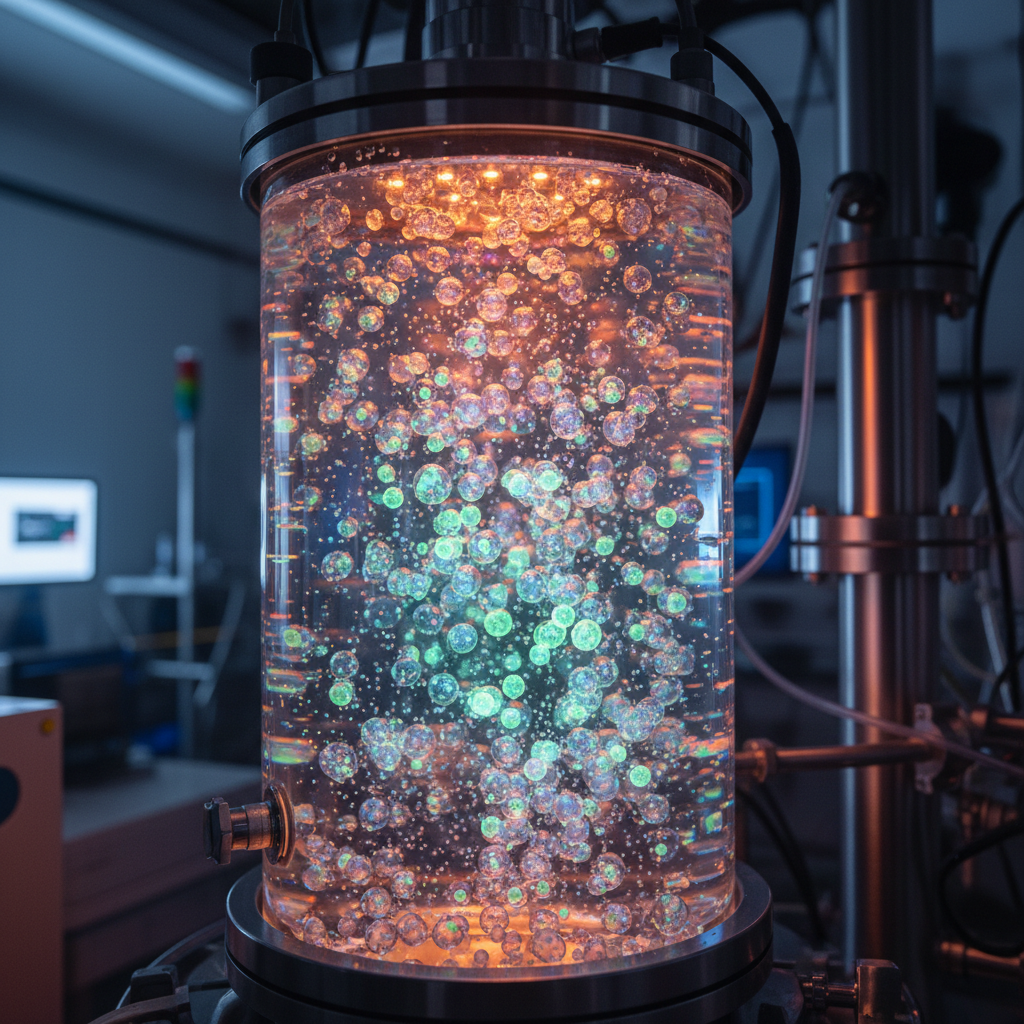
Orbogen Bio employs a distinctive high-throughput screening platform centered on the encapsulation of individual library clones, enabling the pooled cultivation of the entire library within a unified vessel. This configuration permits the cultivation of the library under application-relevant conditions, crucial for mitigating the risk of failure during scale-up or practical applications. The screening platform supports the analysis of up to 1 million library clones daily, thereby significantly outperforming competing technologies, such as screening in microtiter plates, by several orders of magnitude.
Data Analysis and Prediction
Orbogen Bio conducts a thorough characterization of the clones isolated during library screening using various methods tailored to the engineered phenotype. In addition, selected performance pools may undergo sequencing to elucidate the predominant mutations within a specific phenotypic population. The findings from this characterization process will subsequently inform the strategy for potential future engineering endeavors.



 Orbogen Bio